Siem Reap. It’s not a name the Khmer are proud of. It means Siamese Defeated and that starts to give you a little indication of the turmoil this part of the world has gone through over the years.
 It’s in our life time that the Khmer Rouge, under the despotic leadership of Pol Pot slaughtered more than a third of the population of this country. We all remember how we felt when we saw The Killing Fields for the first time … More to follow about this desperate time in Cambodian history when we go to the capital, Phnom Penh.
 We looked at the owner of a restaurant we were in last night and realised that she was old enough to have lived through it all. Goodness knows what stories she and others here have to tell. The guide book starts with a line that sums it all up;
‘The Khmers have been to hell and back but thanks to an unbreakable spirit and infectious optimism, they have prevailed with their smiles and spirits largely intact’.
 There’s nothing of the past in day-to-day Siem Reap. That is until you start to look and then you see the people begging and selling stuff who’ve been massively disabled by land mines. We met a man selling books and t-shirts on the street this morning. He said, ‘I didn’t want to be a soldier. Only half of us wanted to do the job – many people were forced to fight against their will … I bent over to pick something up. How was I to know it would go off? I don’t remember much after that. When I woke up I looked down and saw that both my hands had gone.’ He’s now got his own business selling books about the terrible history of this place and he’s very happy. That characteristic Khmer optimism prevails.
 Siem Reap is here because of the ancient city of Angkor. It’s the life support system for Angkor Wat and because of that there must be more hotels here per square mile than just about anywhere else in the world (maybe with the exception of Las Vegas). From the moment you leave the airport, the road in to the city is lined with vast hotels. They’re everywhere. Goodness knows whether all the beds are filled.
The airport brings in ‘000s of people every day and from a quick headcount yesterday at Angkor, I’d say 70% are Chinese, 20% from South Korea and a tiny 10% from Europe / US / Australia etc. We are seriously outnumbered here and we’re very overwhelmed by the Chinese; they’re so noisy. Everyone talks – no, shouts – at the same time. No-one listens to their guide and they all take selfies all the time. The rise of the Chinese tourist is a relatively new phenomenon and they’re still learning how to behave when on holiday. I’ve tried to help by telling them to shhh in some of the temples!
Siem Reap by night is an all together different thing. The Chinese disappear (don’t know where to) and the westerners come out in force.
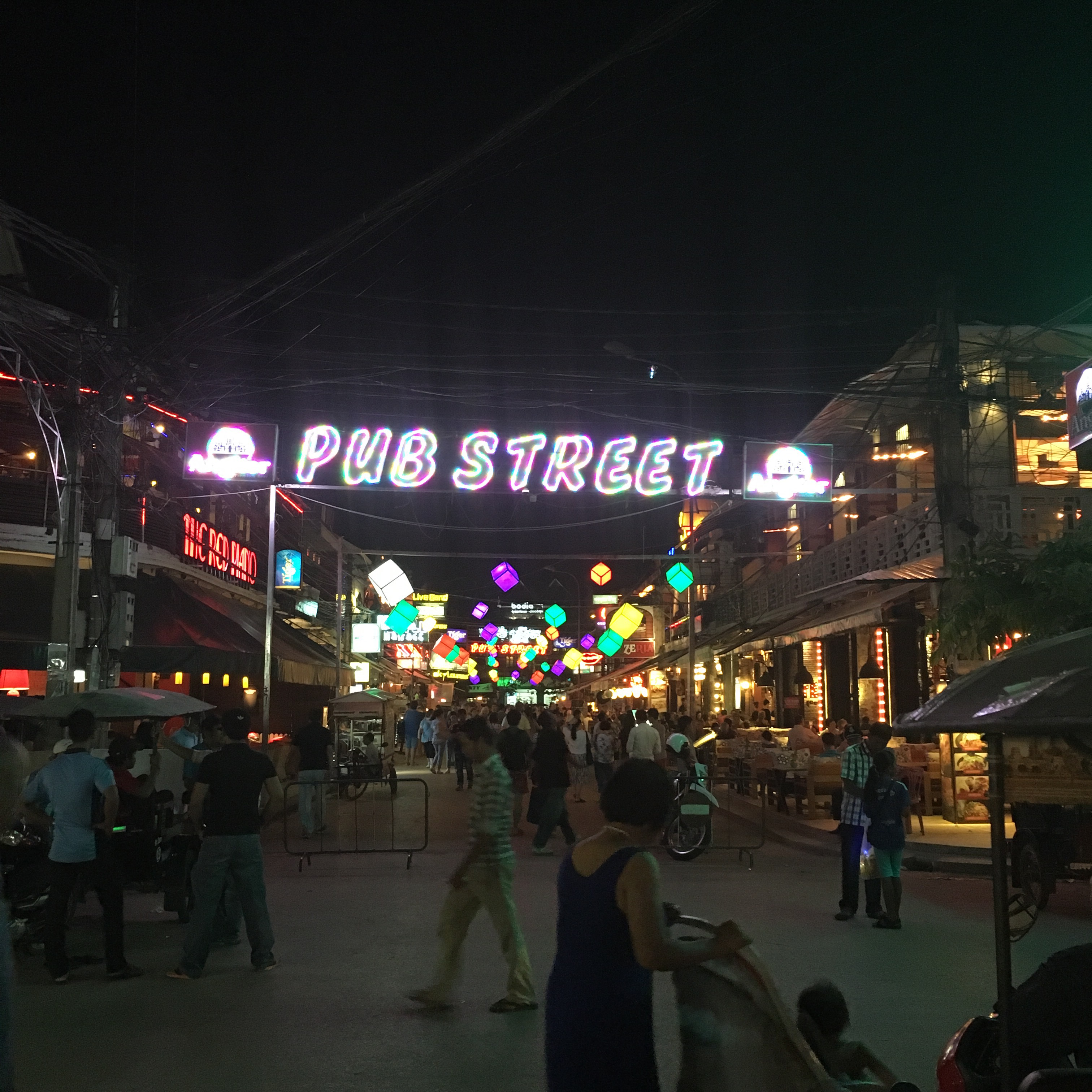 Pub Street (yes, really) comes alive and the city looks like something straight out of Magaluf. This is the time that we don’t know how to behave when on holiday.
This place is a strange mix of temple tourism and full-on night life. Hard to imagine during the time of the Khmer Rouge that it would turn in to this.
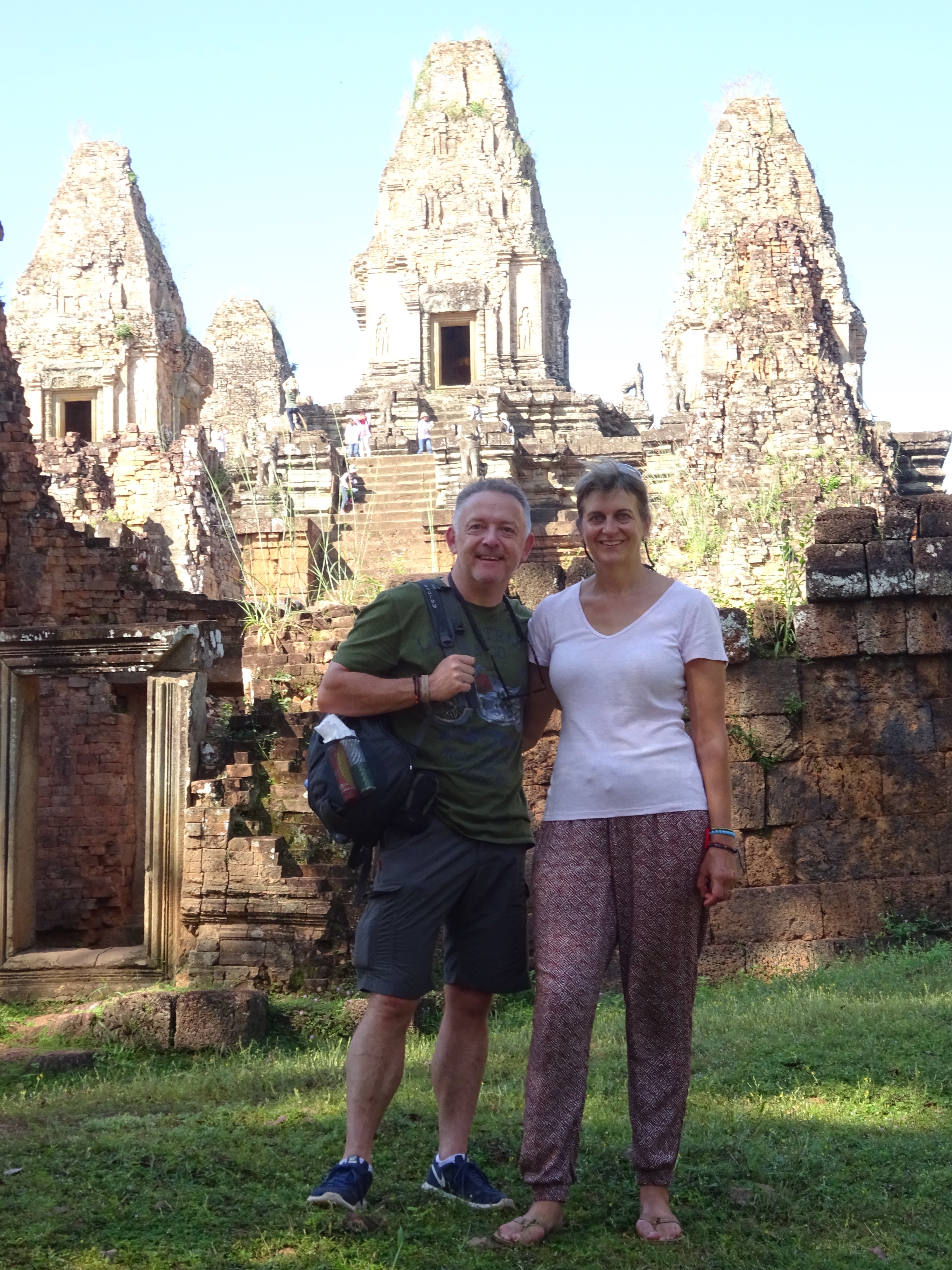
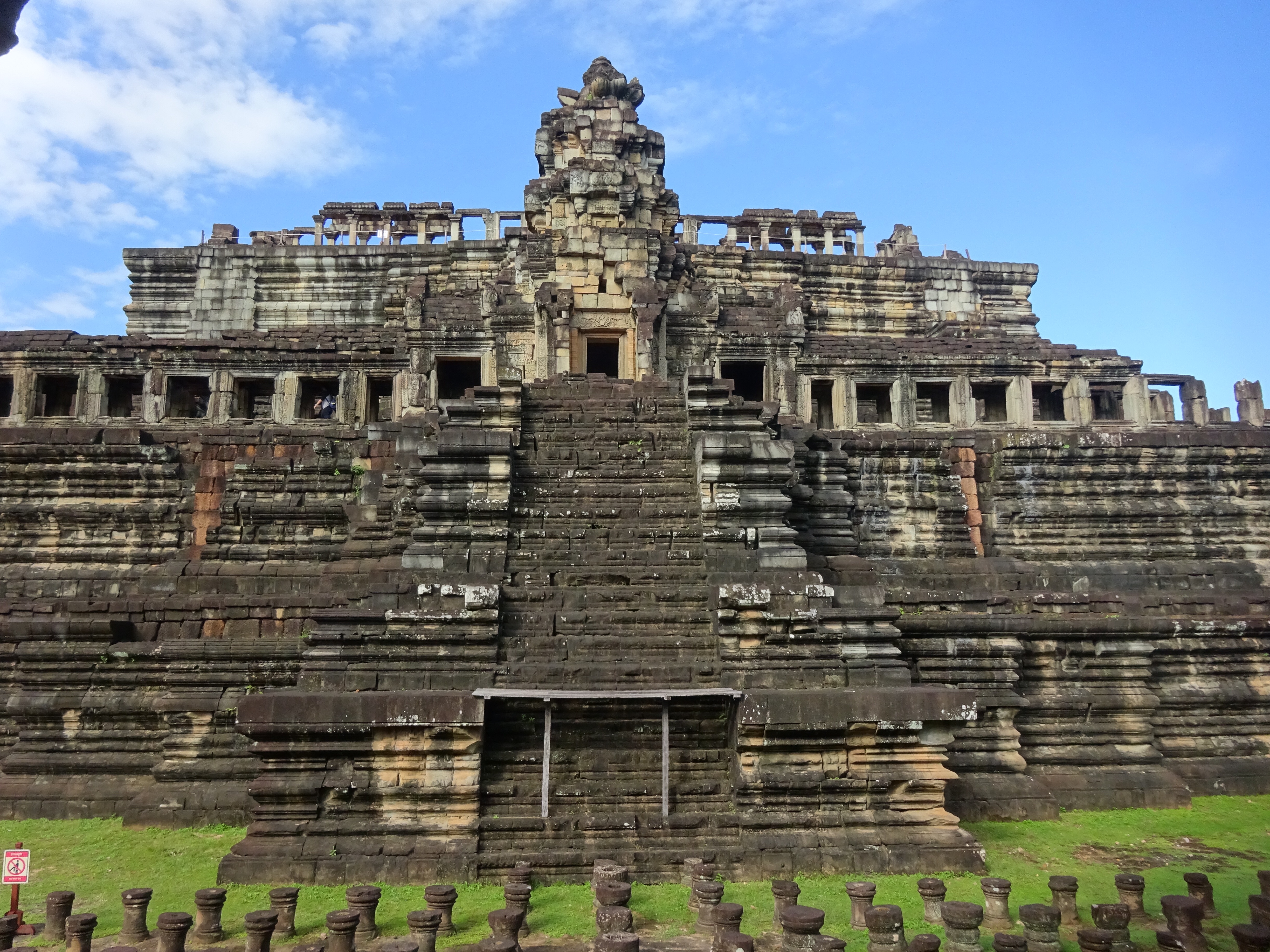
Knowing how many people there are here, we headed off to the Angkor temple complex – It’s often referred to as Angkor Wat but that is just one of the many temples (albeit the biggest) – with a certain amount of apprehension. Would everywhere be heaving with people and would we be able to get away from the throng at any point?
We needn’t have worried. The place is vast and it was easy to avoid the crowds. We had a great guide and a tuk-tuk to get around the place. Every temple was beautiful and in the words of the Americans, ‘it’s all sooo old’.
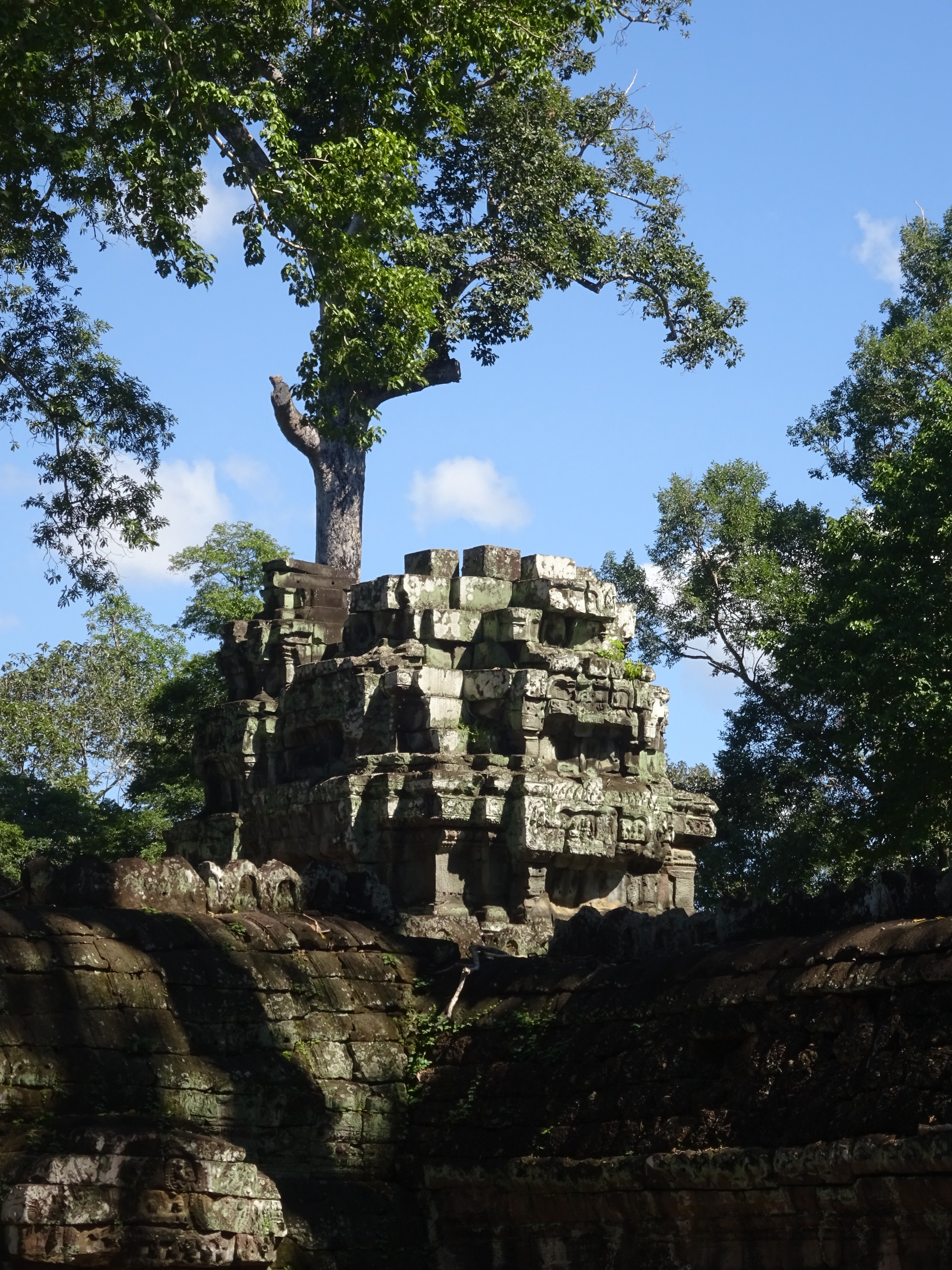
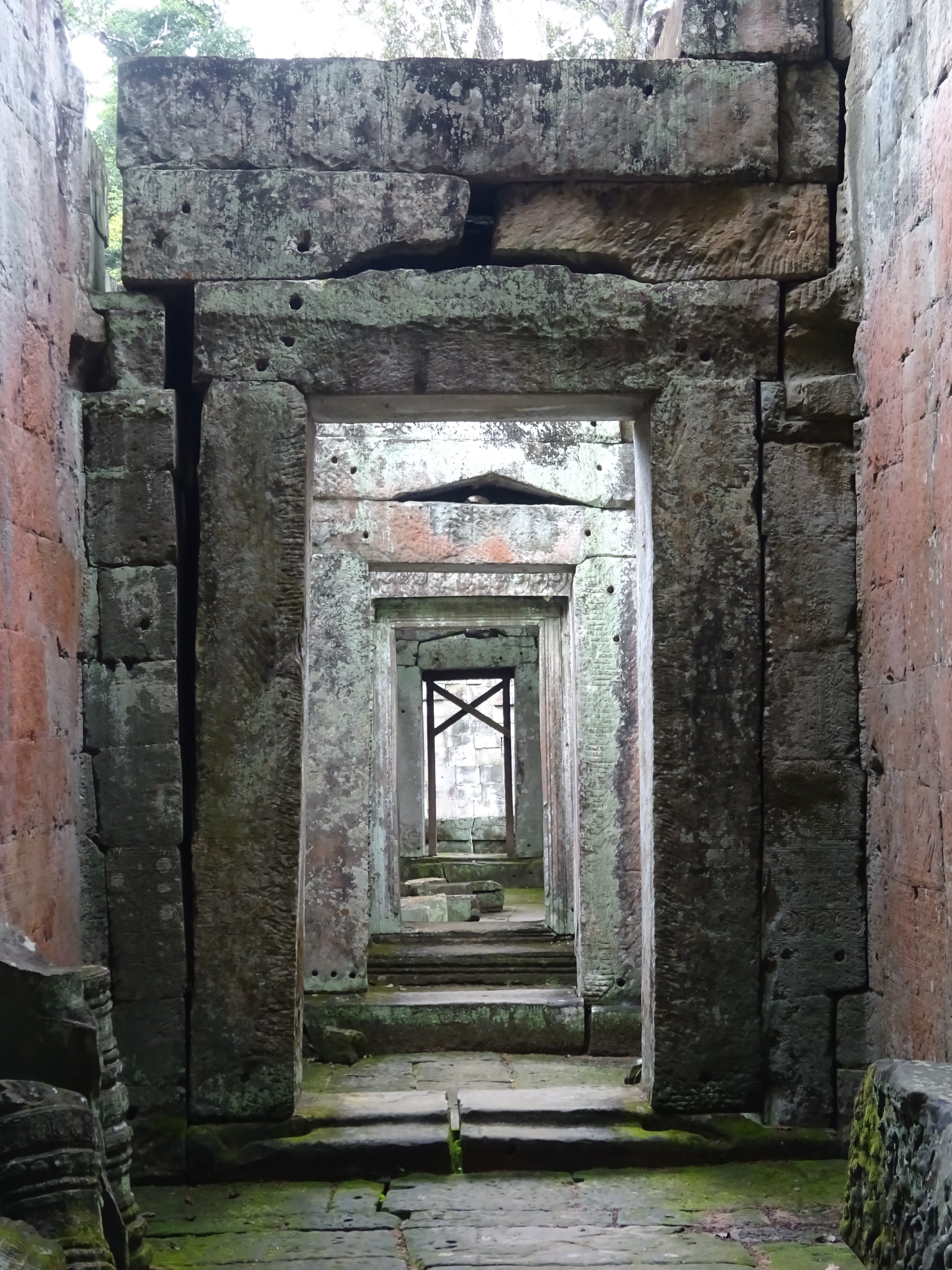
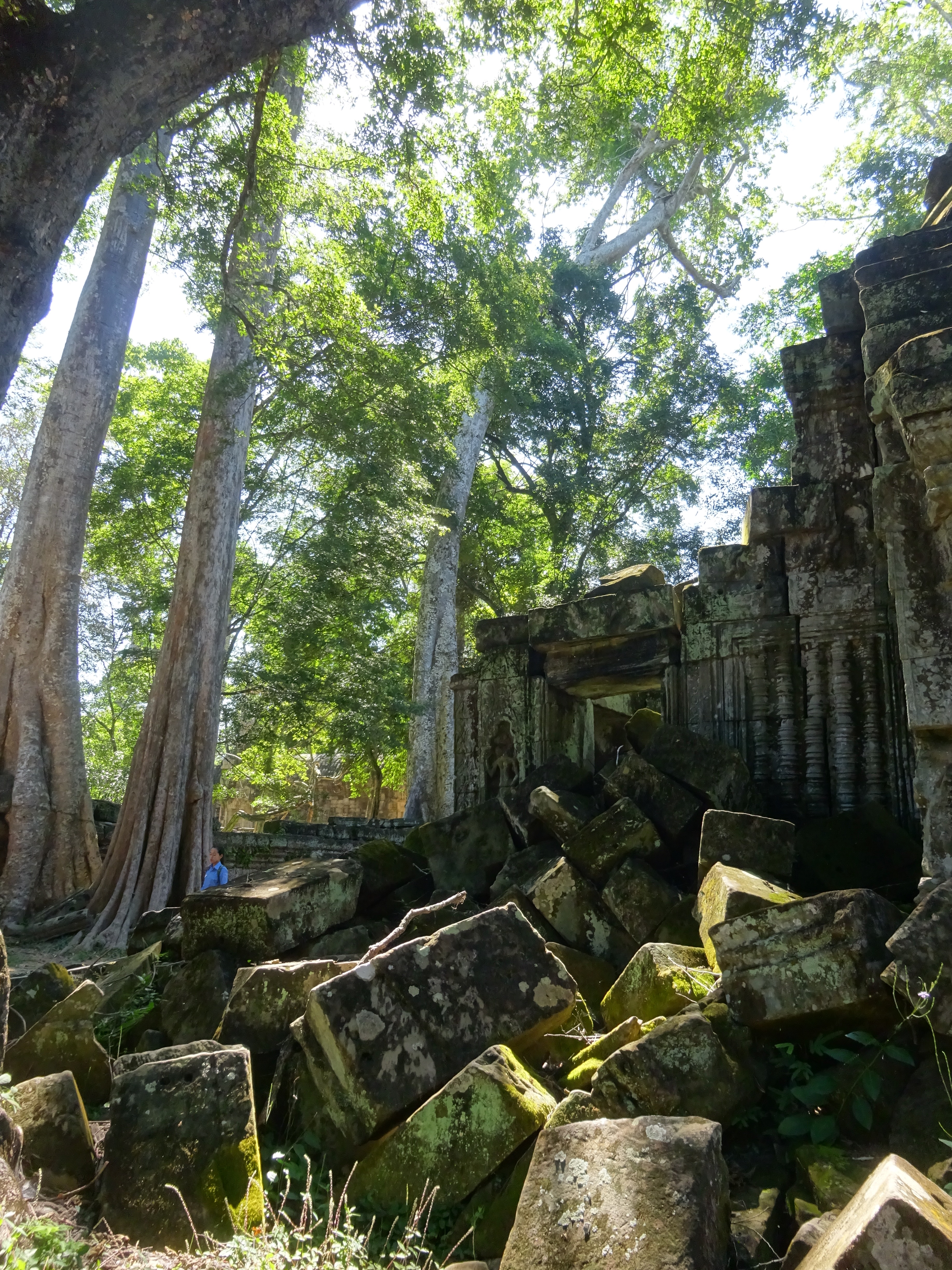 Most of it dates back to the 11th and 12th century with some from the 9th century. It’s the lichen on the rocks, the tree roots growing through the buildings and the sheer scale and audacity of the buildings which take your breath away. That and the heat of course.
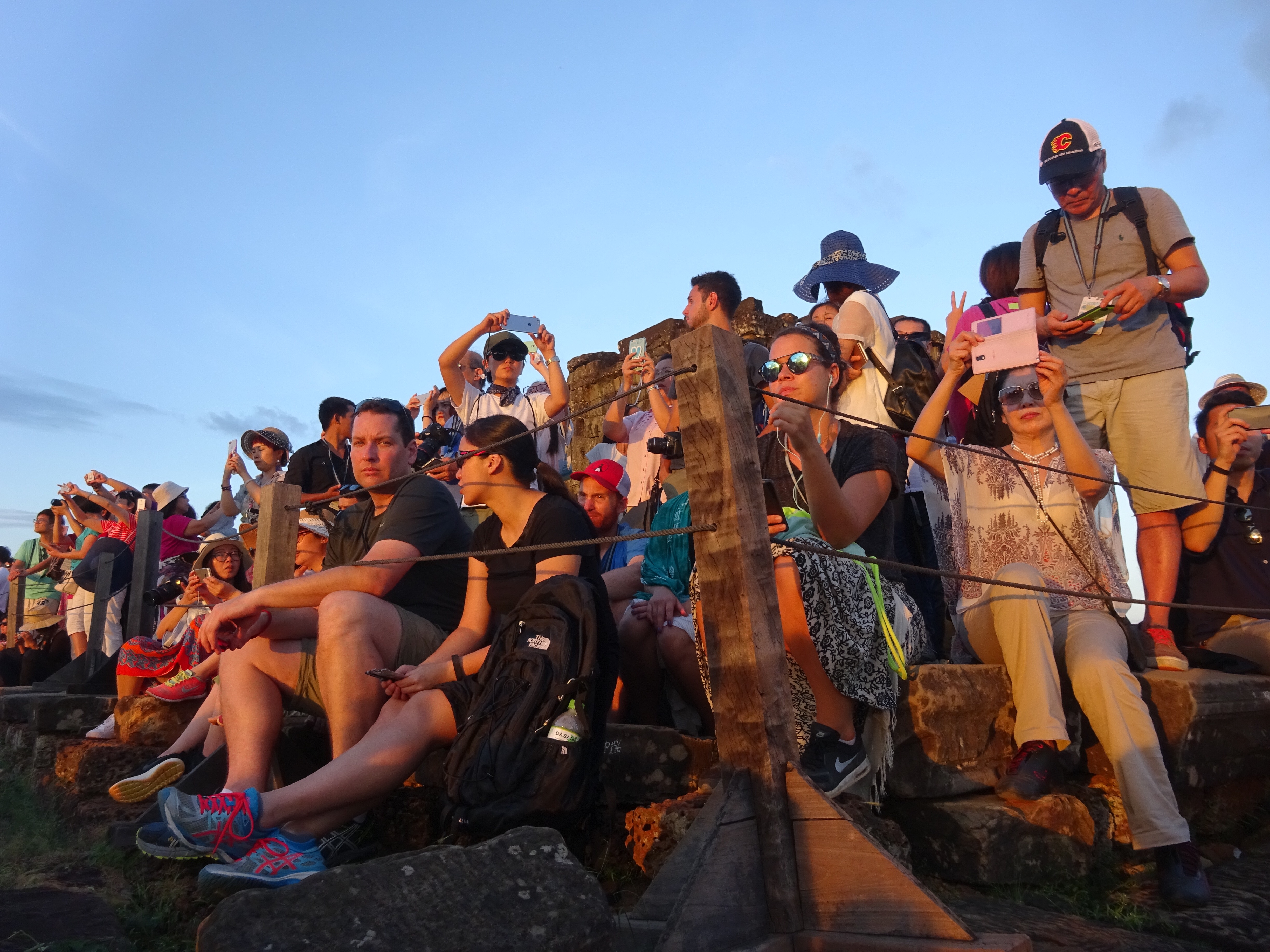
We ended our first day at Angkor with the ‘sunset picture’. Most of the temples have an obligatory picture point which we tried to avoid for the most part.
 The ‘sunset picture’ involved getting to a temple at the top of a hill by about 3.30pm, long before the sun has even started to think about setting, and then waiting in the searing sun for the big moment! There’s a limit of 300 people so crowds start to gather pretty early. It felt more like we were waiting for a total eclipse than a sunset but it was good to see.
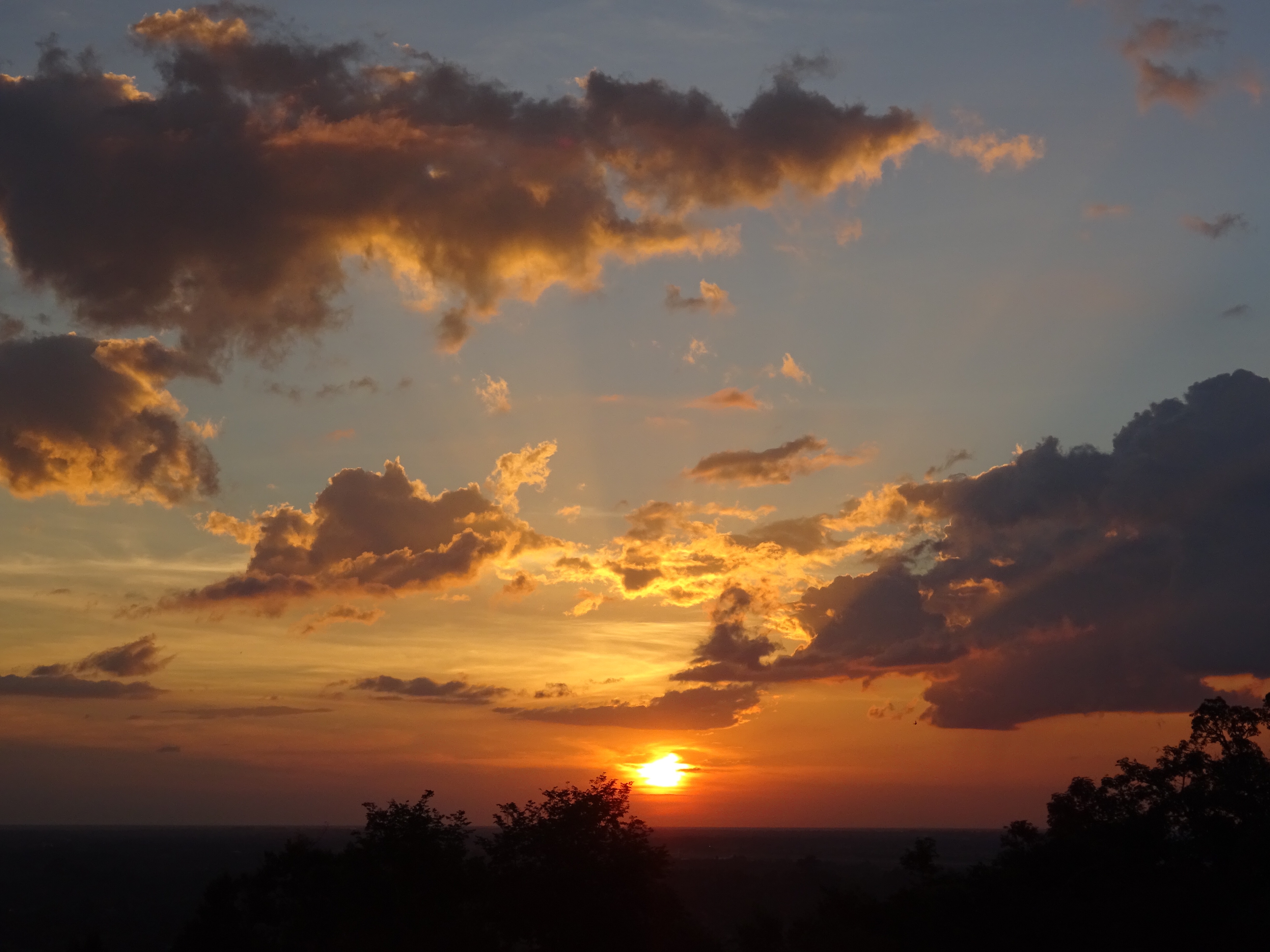 The next day we were up at 4.00am for the ‘sunrise picture’. Along with crowds of people we walked along the causeway to Angkor Wat in the pitch black and then waited by a lake (actually a mosquito infested pond) for the big moment. It was heaving with people but again, all worth it when the sun rose.
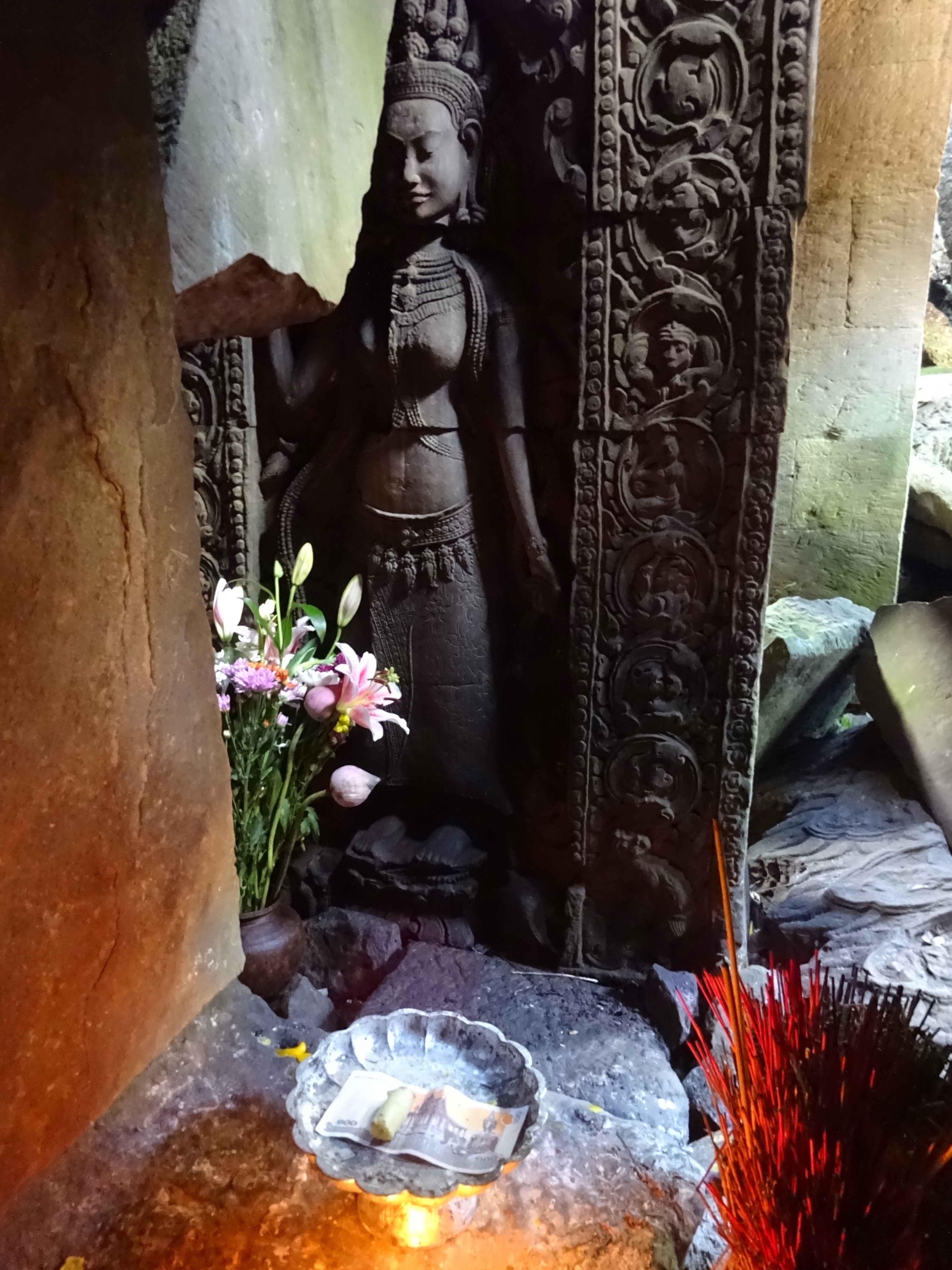
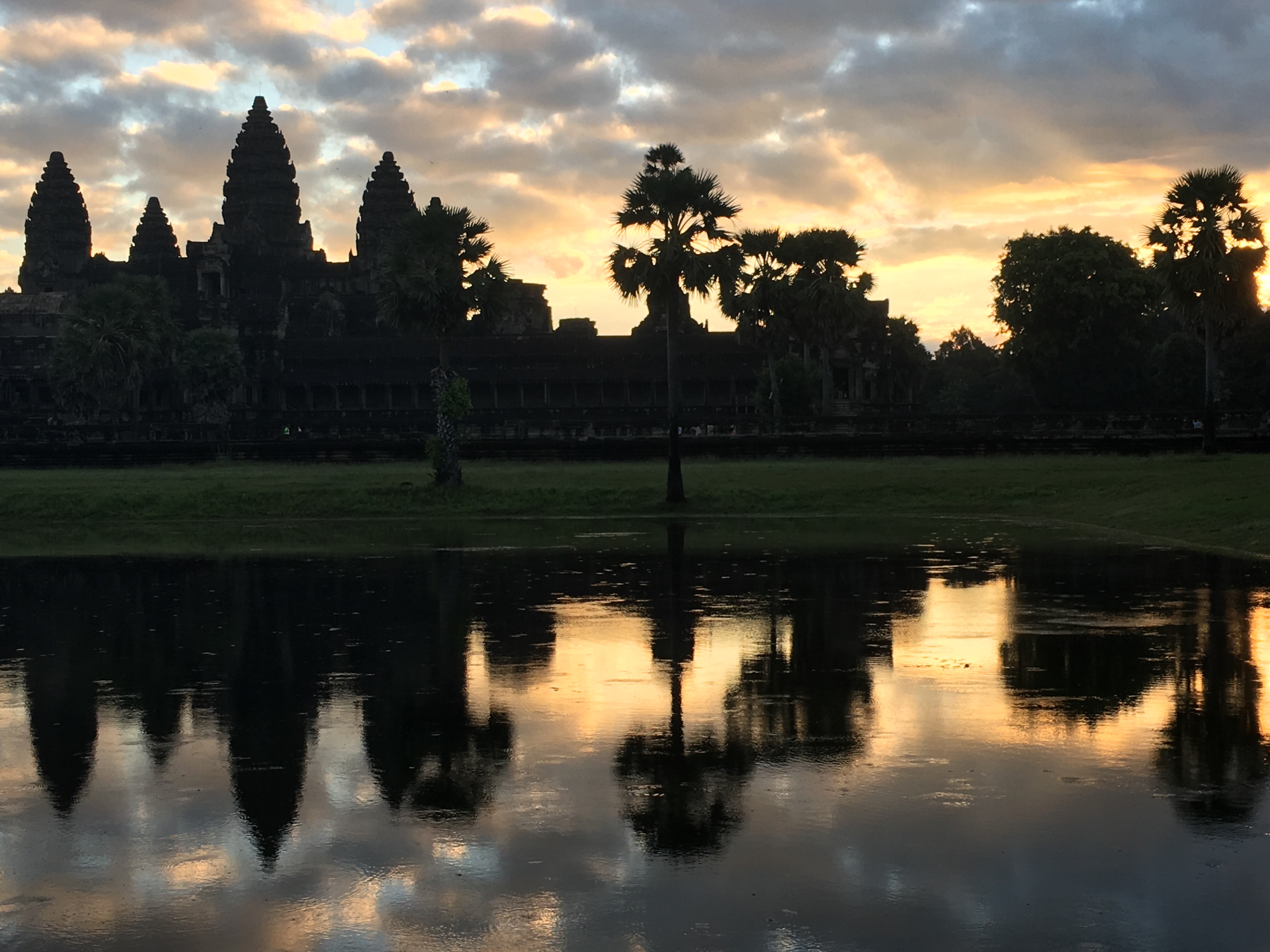 Starting at 4.00am makes for a long day at the site. But what a great day. At times we struggled to take in everything our guide told us. It’s all a complex history of the mix of Hinduism and Buddhism, Gods and Kings and wars and empires. Translation from the Khmer to English was tricky at times but no matter, we had a great time.
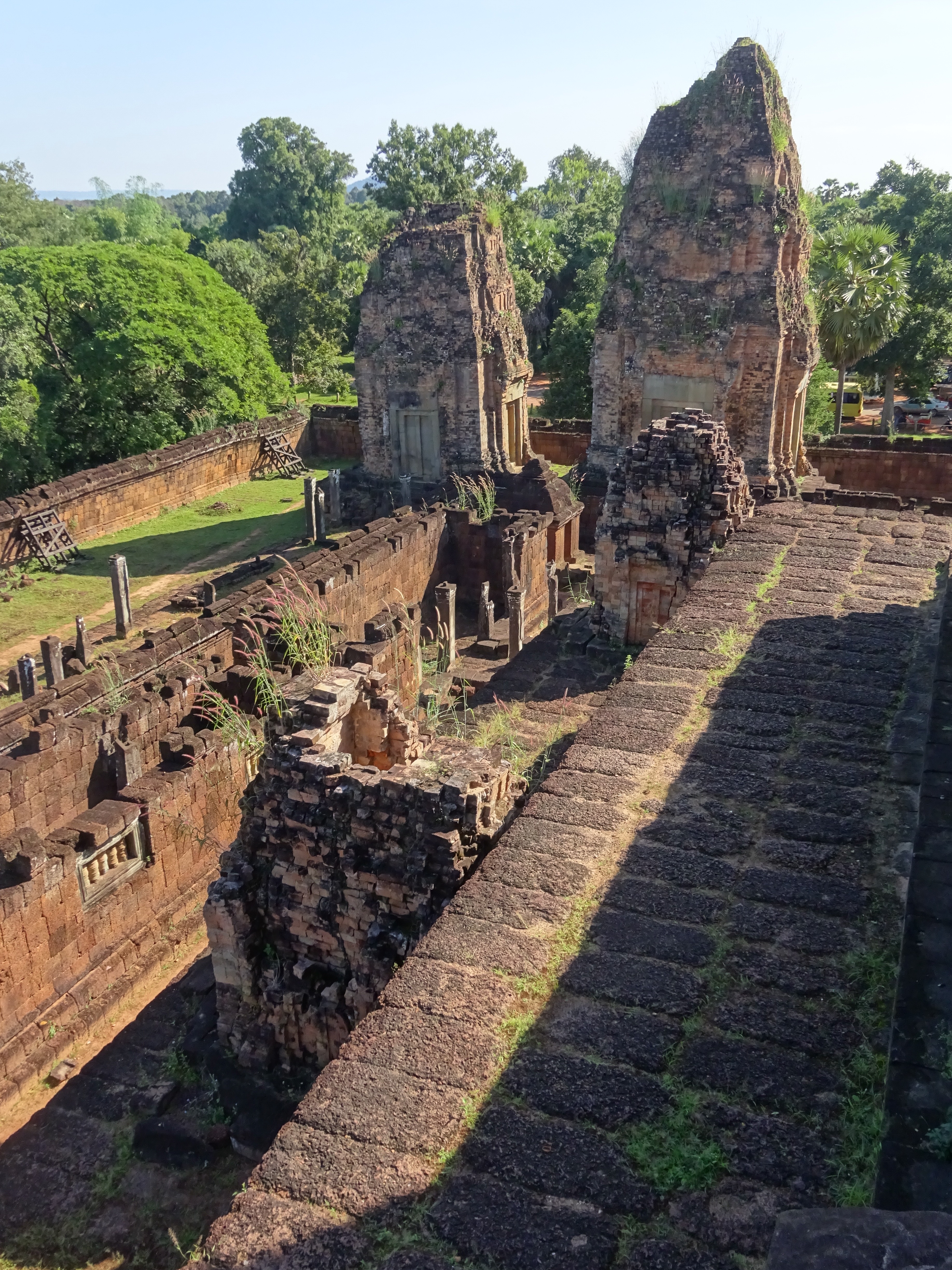
I won’t try to narrate it all and will let the pics tell the story.
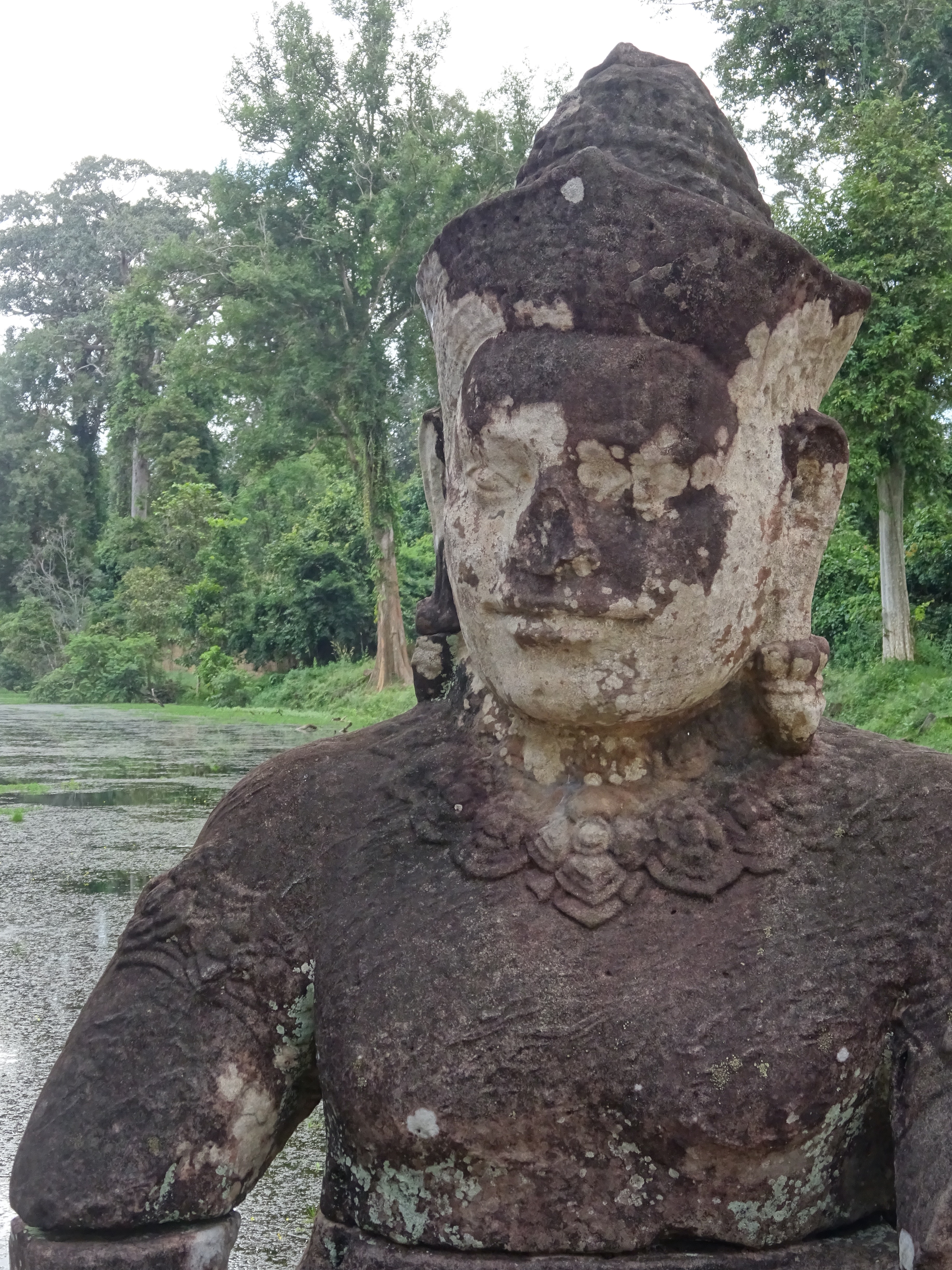
Angkor is incomparable. If you get the chance to visit, go there. And do it now before it becomes a suburb of Shanghai or Seoul.
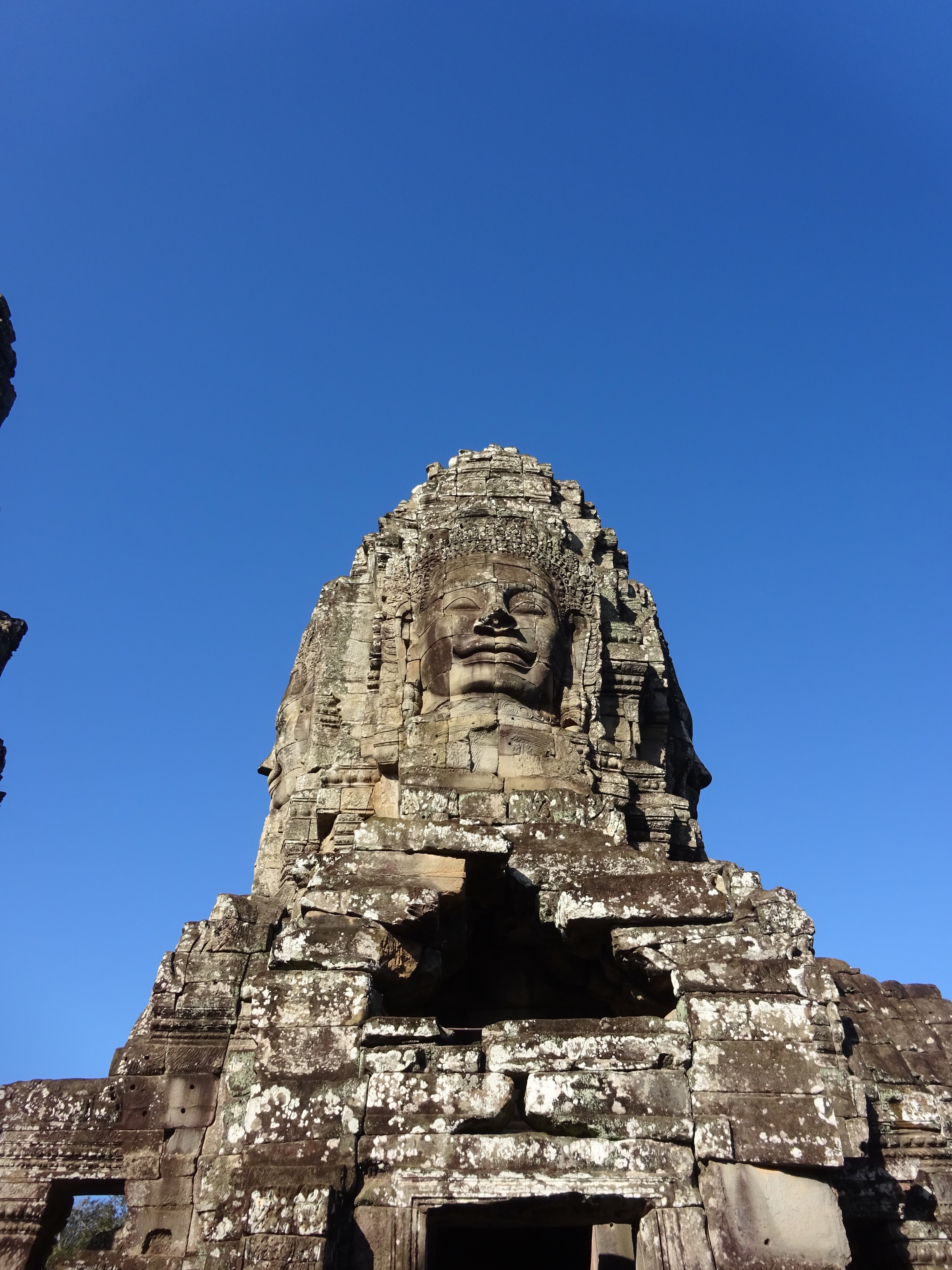
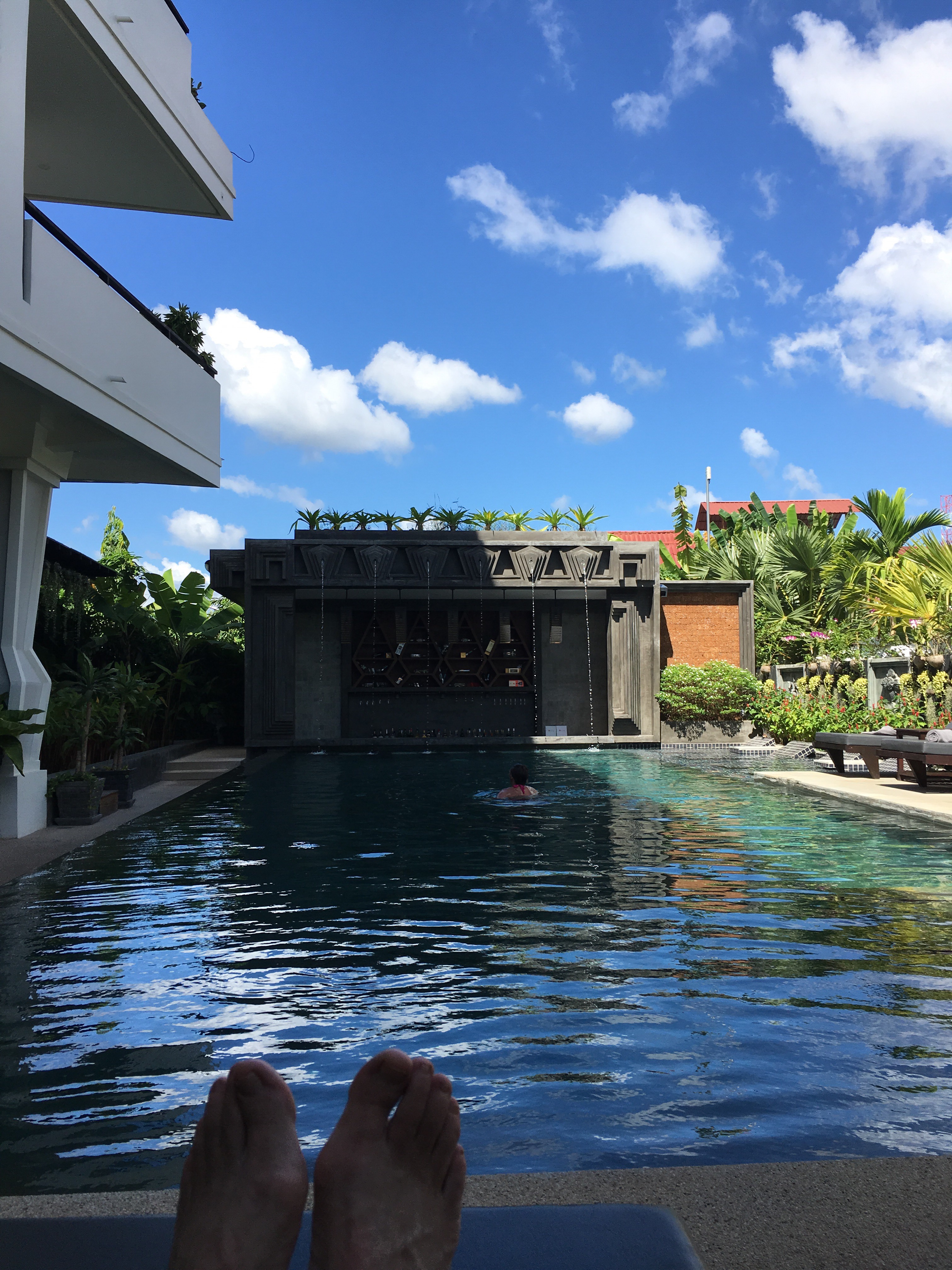
 We’ve given ourselves a day off today before another early start tomorrow.
 We’re taking the long route to Battambang by boat on the Tonle Sap river and lake.
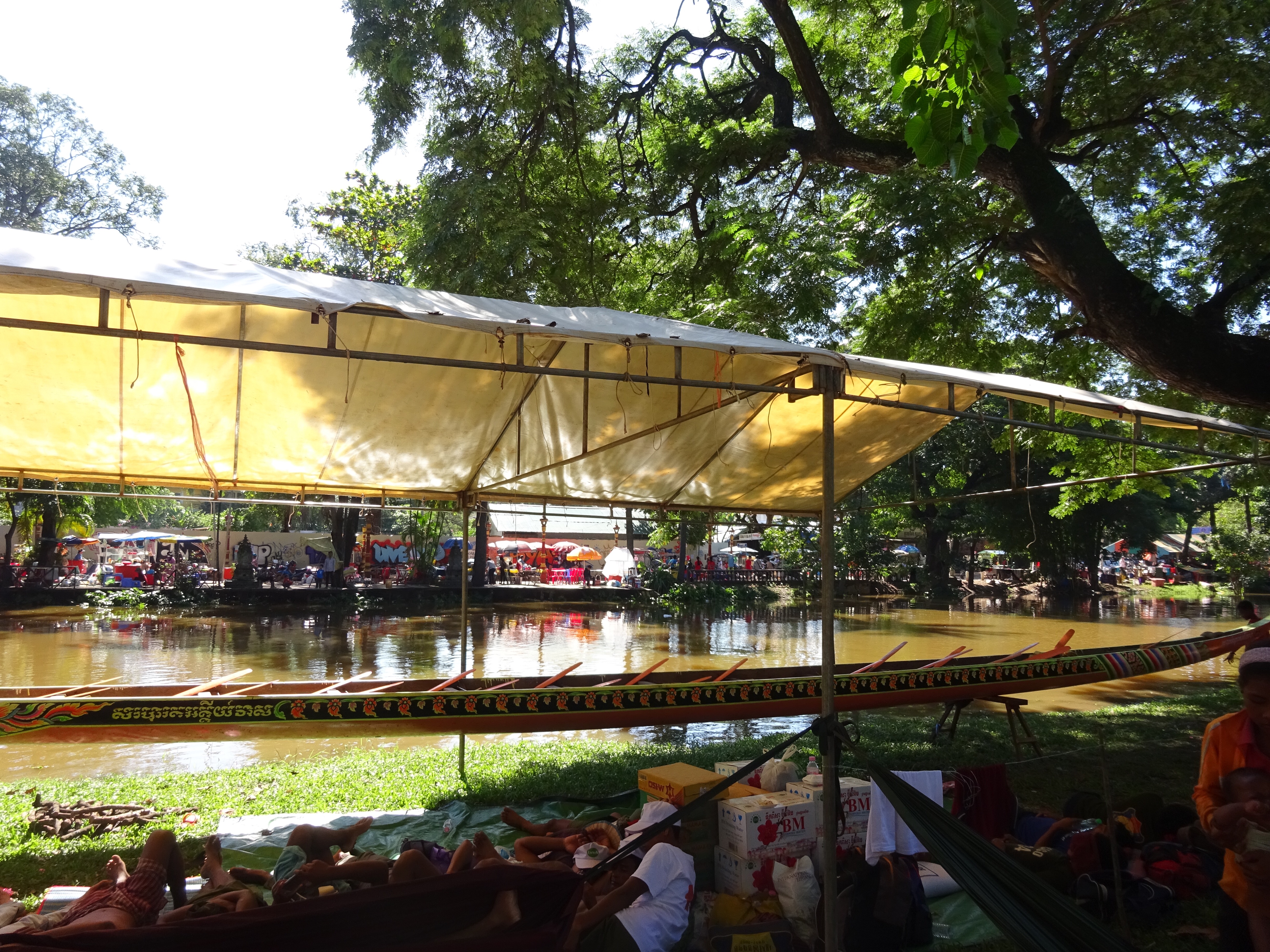
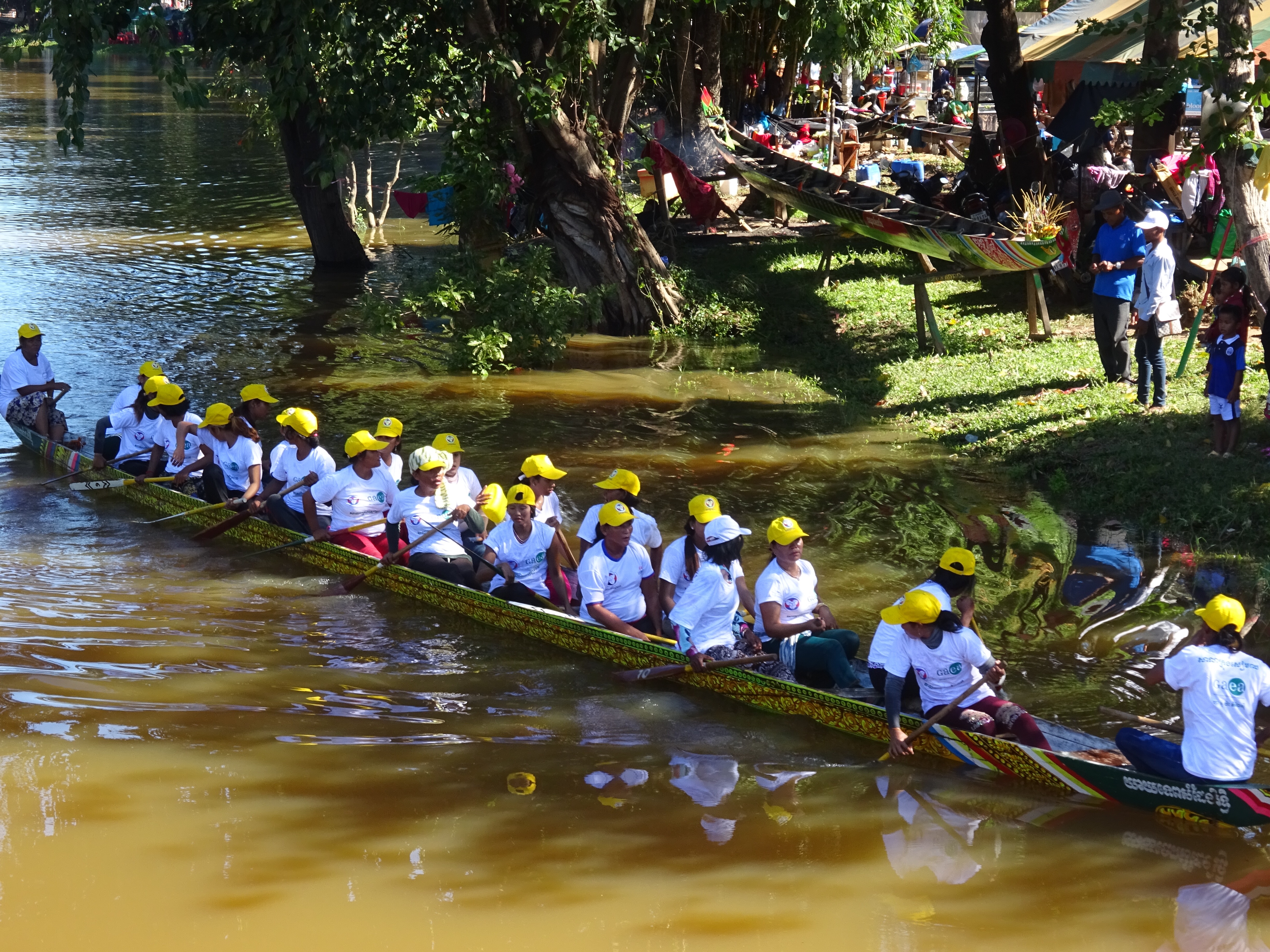
Today is a big day in Siem Reap. It’s the annual boat race. We’ll hopefully get in the main enclosure this afternoon and I’m so pleased I brought my boater and blazer all this way. I just knew it would come in handy somewhere!
 too old for dreads
It looks amazing guys!
Thanks for all the great posts
Ant x
LikeLike
Just like Oxford v Cambs!
Really enjoying hearing about and seeing your adventures. Hope the leech bites are healing.
Suzanne XX
LikeLike